Thursday, January 16, 2020

ERA

In case you missed it yesterday, the state of Virginia became the 38th state to pass the Equal Rights Amendment.  

And of course, it's controversial.


So here's the story.  Alice Paul did not rest on her laurels after the 19th Amendment was ratified.  Instead she began working on what was originally called the Lucretia Mott Amendment (see here for more on Lucretia) or the Equal Rights Amendment.  By 1923, the amendment was introduced into Congress.  The amendment did not pass and by the 1940s it was renamed the Alice Paul Amendment.   

In case you hadn't realized it by now, any legislation empowering women appears to take a long time to become law. 


So the saga continued until 1972 when both the United States Senate and the House of Representatives passed the bill.  Just like the 19th Amendment, 38 states were required to ratify the amendment.  It seemed a no brainer at the time.  What could be so debatable about this:

Section 1 Equality of rights under the law shall not be denied or abridged by the United States or by any state on account of sex.
Section 2 The Congress shall have the power to enforce, by appropriate legislation, the provisions of this article.
Section 3 This amendment shall take effect two years after the date of ratification.


Except of course, it was controversial.

In the midst of the debate, a cartoon of the time appears to mimic the same kind of propoganda that resisted the suffrage movement.


A woman named Phyllis Shafley headed up a STOP ERA campaign.  You can read about it here.  Be sure to check out the irony in the article--Shafley herself earned a salary but believed that women should be at home and not earning a living.  What the STOP people did was actually galvanize a lot of young women (including myself) to support "Women's Lib" as it was called at the time.  I even sewed this symbol on a jacket I had at the time:
The bill had 10 years to be ratified (the 7 year time limit was extended 3 more years) and fell three states short.  

In an unprecedented turn, five states even rescinded their approval of the bill:  Kentucky, Idaho, Nebraska, Tennessee and South Dakota.  I still haven't found any constitutional scholars who can agree if that is even possible.

So here we are.  100 years after gaining the right to vote.  It's our Centennial and if it no longer binding that Virginia's vote counts, then let's re-introduce and the bill and pass it on this historical year.  I suggest you call or email your representatives and tell them that you want to see this amendment passed.

I recommend reading this particular article which in many ways summarizes much of what this blog has relayed and why we still need this amendment:
Virginia votes on the Equal Rights Amendment again.  And it's debt settling time.  Read it here.


Tuesday, January 14, 2020

Suffrage Dramas--as in the Theatre


By the twentieth century, suffrage was a topic that was illustrated in dramas.  One of the most famous plays was by Charlotte Perkins Gilman (author of The Yellow Wallpaper) who wrote the play Three Women and Something to Vote For.

Here is an article from my own hometown about a different play that was produced here in 1917:

What do you notice about this article?  
I noticed that the emphasis was on the male actors and not the idea of suffrage....

Thursday, January 9, 2020

Suffrage Sewing Bee

"Fancy work" was the name often referred to decorative needlework  done on a variety of textiles.  Just about everything you could think of was embellished.  I've even seen ads for embroidery patterns for bags to hold soiled handkerchiefs :)
Here are a few things from my collection:
Splasher--usually hung above a basin and wash pitcher to protect the wall from bathing water.

Tobacco bag

Pin cushion

Button Bag

  So it isn't surprising that suffragists used their sewing skills to raise funds for the cause.  Selling different sewn objects was often a lucrative money maker at bazaars.

From Minneapolis, Minnesota:


Sunday, January 5, 2020

If you live in Ohio...

Good Morning!  We are all recovered from a hectic holiday week and I hope you are doing well!

If you live in Ohio and are near Ohio State University, you may want to visit the Billy Ireland Cartoon Library.  The Library is featuring an exhibit of women cartoonists called Ladies First:  A Century of Women's Innovations in Comics and Cartoon Art until May 3rd of this year.
Nina Allender 1873-1957

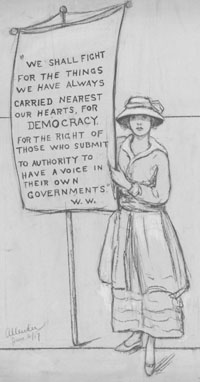
Among the artists featured is Nina Allender.  She was the illustrator for the The Suffragist magazine published by the National Woman's Party.  I've already used some of her illustrations here .

Image result for nina allender changing fashion illustration

The Smithsonian website published an article about the exhibit here.   You can read about the hours the exhibit is open and more about the location at the Billy Ireland Cartoon Library and Museum here.


You may not realize it but Allender in particular contributed to attracting younger women to the suffrage cause.  A great piece on the "Allender Girl" can be found here.


Have a great day!

Tuesday, December 31, 2019

Wednesday, December 25, 2019

The Open Christmas Letter

Five months into World War I, Europeans braced themselves as it became  apparent that the war was not going to be a brief one.  The toll on a generation of young men was great; technological warfare was introduced during this war as mustard gas, tanks, and automatic weapons killed and wounded more than Europeans had anticipated.  Christmas of 1914 was a unique moment during the war; a number of unofficial ceasefires occurred and the troops from both sides celebrated the holiday together.  For more insights you can read here.


On December 23, via suffragist Emily Hobhouse, this article was published in London:

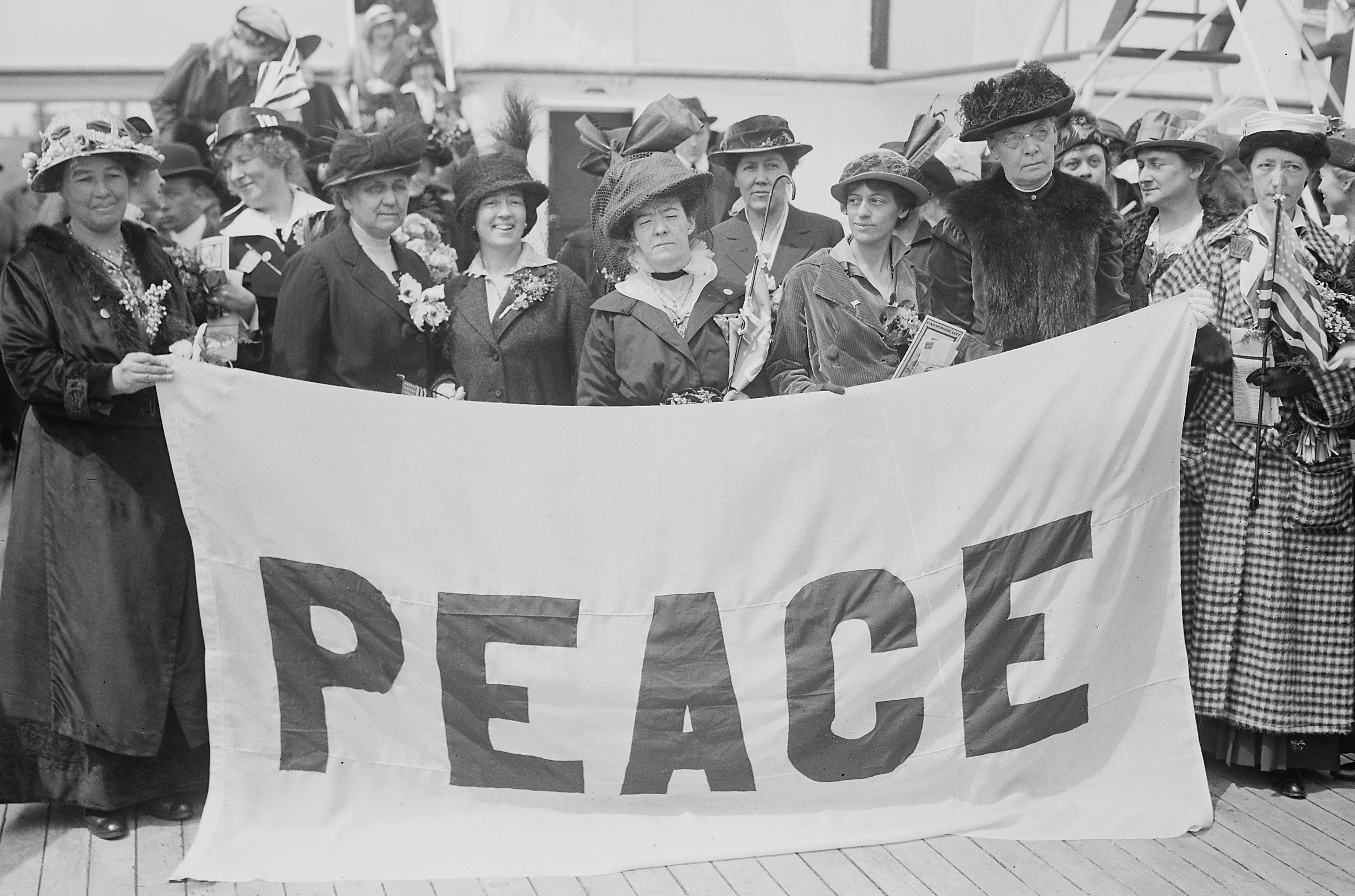
A call for peace also came from some British women.  On December 25, 1914, a public letter  was released by British suffragettes.  Signed by 101 suffragettes, it was addressed to the women of Germany and Austria on the first Christmas holiday during World War 1.  

The Open Christmas Letter was initiated by Emily Hobhouse and sent to American suffragist Carrie Chapman Catt (then the President of the International Woman Suffrage Alliance).  It was addressed to German/Austrian suffragists.  Because of the war, the open letter had to be sent via the United States since it was illegal to communicate with the enemy.  The letter was a call to peace and the language appeared to be more of mothers than enemies:

Is it not our mission to preserve life?  Do not humanity and common sense alike prompt us to join hands with the women of neutral countries, and urge our rulers to stay further bloodshed?...Even through the clash of arms, we treasure our poet's vision, and already seem to hear

"A hundred nations swear that there shall be Pity and Peace and Love among the good and free."


May Christmas hasten that day.

Image result for world war 1 suffragists

Three months later, a response was penned by German/Austrian suffragists who had just received the Open Letter.  They responded in kind and cited that "really civilized women never lose their humanity."

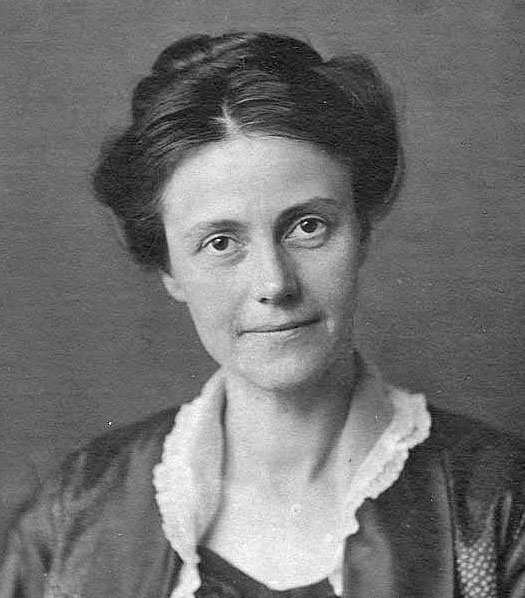
In the U.S., there was a pacifistic tendency particularly among intellectuals.  Among them was Julia Grace Wales, a Canadian born scholar who taught at the University of Wisconsin.  Stories from the front weighed heavily on her as well and in December of 1914, she devised the Continuous Mediation Without Armistice Plan. Later called "The Wisconsin Plan",  the plan sought for the U.S. to bring together intellectuals from all the nations as a way to promote a longstanding peace with a two fold plan:  to provide peace without humiliation to any nation and exclude compromises that could rekindle the war.
Image result for julia grace wales
Julia Grace Wales
The plan was adopted by the International Congress of Women and many scholars feel it was the basis of the short lived League of Nations and Wilson's Fourteen Points.

Beth and I wish you a holiday of peace and a new year full of kindness and joy!
Christmas vintage postcard, old fashioned Christmas card, free holiday graphic, old fashioned Christmas message